
Introduction:
Lighting is an integral aspect of our daily lives, shaping our environments and influencing our moods and productivity. From the flicker of a candle to the glow of LED bulbs, the history of lighting technology is a testament to human ingenuity and innovation. In this article, we will explore the evolution of lighting technology, from ancient times to the cutting-edge developments of today.
1. Ancient Beginnings:
The history of lighting traces back to ancient civilizations, where humans harnessed fire for illumination. Early forms of lighting included torches, oil lamps, and candles, providing light in the darkness and warmth in cold nights. These primitive sources of light served as the foundation for the development of more sophisticated lighting methods.
2. The Advent of Electricity:
The 19th century witnessed a revolution in lighting with the discovery and harnessing of electricity. The invention of the incandescent light bulb by Thomas Edison in 1879 marked a significant milestone in lighting technology. Edison’s invention illuminated homes, streets, and workplaces, transforming the way people lived and worked.
3. Fluorescent Lights and Beyond:
In the early 20th century, fluorescent lighting emerged as a more energy-efficient alternative to incandescent bulbs. Fluorescent lights offered greater longevity and lower energy consumption, making them popular for commercial and industrial applications. Over time, advancements in fluorescent technology led to the development of compact fluorescent lamps (CFLs), further improving energy efficiency and lifespan.
4. LED Revolution:
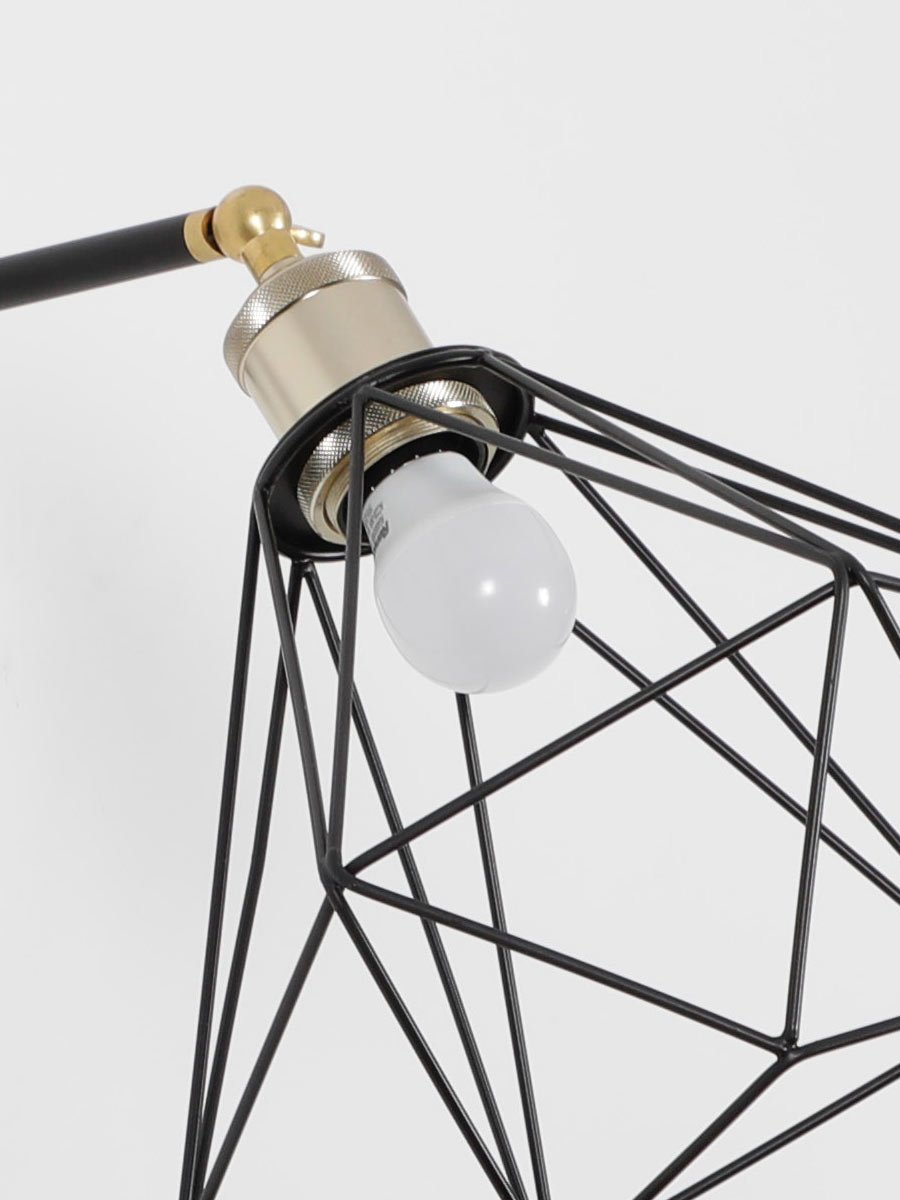
The 21st century brought about a paradigm shift in lighting technology with the widespread adoption of Light Emitting Diodes (LEDs). LEDs offer numerous advantages over traditional lighting sources, including superior energy efficiency, longer lifespan, and environmental sustainability. Today, LED lighting is ubiquitous, illuminating homes, offices, streets, and public spaces around the world.
5. Smart Lighting Solutions:
The integration of lighting with digital technology has given rise to smart lighting solutions. Smart lighting systems enable remote control, automation, and customization of lighting environments through smartphone apps or voice commands. These intelligent systems not only enhance convenience but also contribute to energy conservation by optimizing lighting usage based on occupancy and natural light levels.
6. Sustainable Lighting Practices:
In an era of growing environmental awareness, sustainable lighting practices have gained prominence. Energy-efficient LED lighting, coupled with smart controls and sensors, play a crucial role in reducing energy consumption and minimizing carbon footprint. Additionally, the adoption of daylight harvesting techniques and the use of renewable energy sources further contribute to sustainable lighting design.
7. Future Trends:
Looking ahead, the future of lighting technology promises even greater innovation and efficiency. Advancements in materials science, nanotechnology, and artificial intelligence are paving the way for next-generation lighting solutions. From organic LEDs (OLEDs) to quantum dot lighting and beyond, the possibilities are endless.

Conclusion
The evolution of lighting technology reflects humanity’s quest for illumination and progress. From the flickering flames of ancient torches to the brilliance of modern LEDs, lighting has transcended its utilitarian function to become a symbol of innovation and advancement. As we continue to strive for more sustainable and efficient lighting solutions, the future shines bright with possibilities.